 EN
EN
 INA
INA
KPPBI 7 and Bogor Exploration: Learning while Adventuring
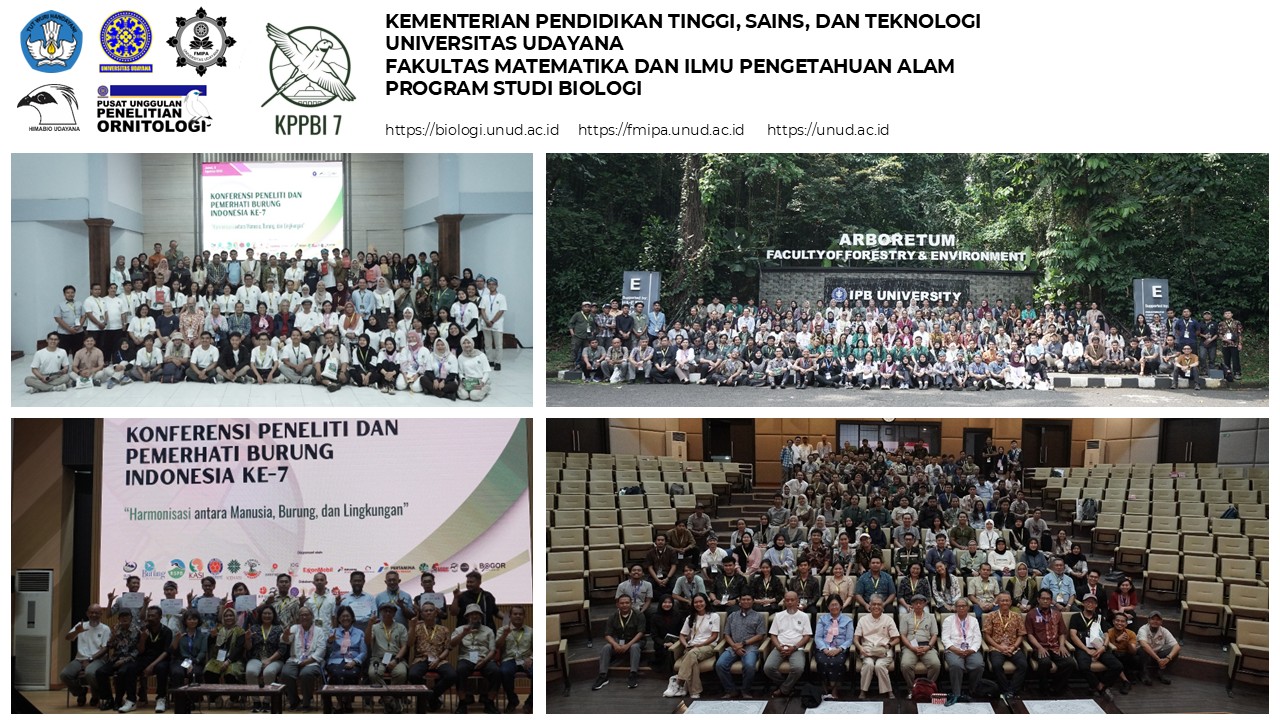
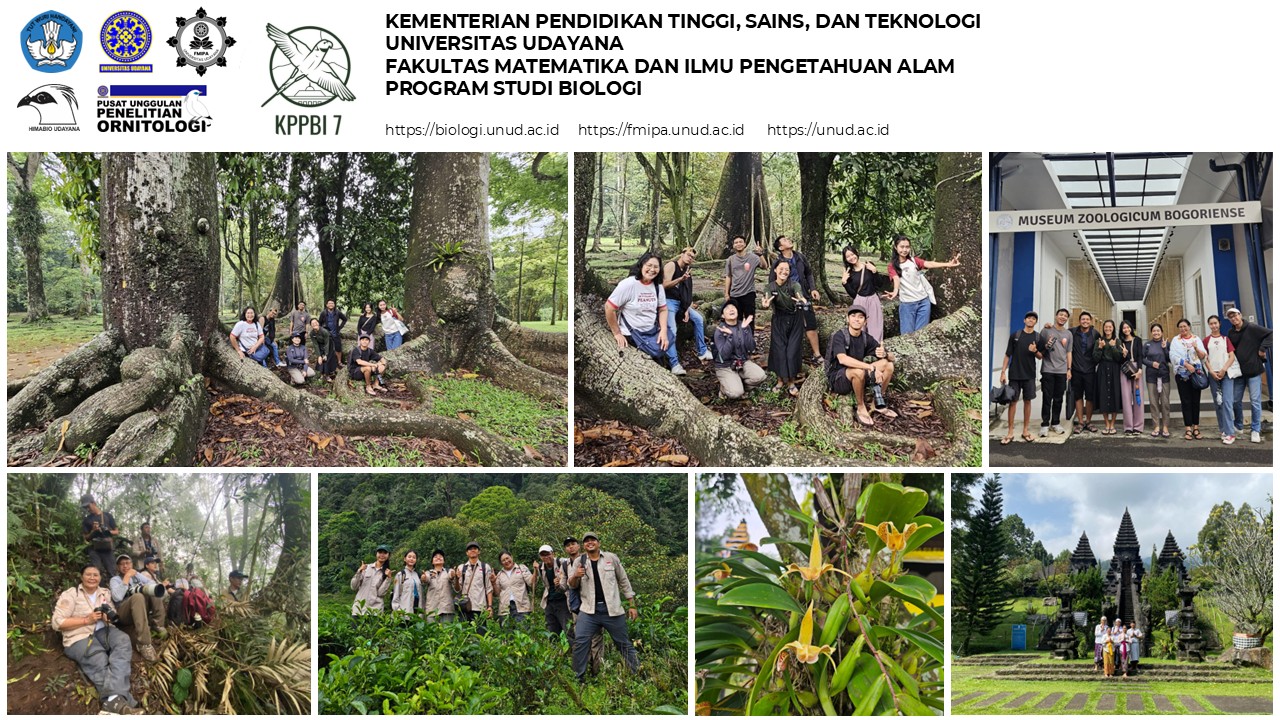
The 7th Indonesian Bird Researchers and Observers Conference (KPPBI) concluded at Bogor Agricultural University (IPB) in Bogor on August 8-10, 2025. IPB also hosted the first KPPBI in 2015. This event reaffirmed the commitment to rekindle the spirit of information exchange between researchers and bird observers in Indonesia after a hiatus of several years. It's like starting from scratch, but not from scratch. Young researchers have begun to take up positions in this event, of course, under the supervision of their seniors who are familiar with KPPBI activities. Information sharing wasn't limited to research results; there were also structured workshops on method development aimed at updating our research methodology. It felt like the knowledge that will be passed on to the next generation requires mentoring to prepare for the future.
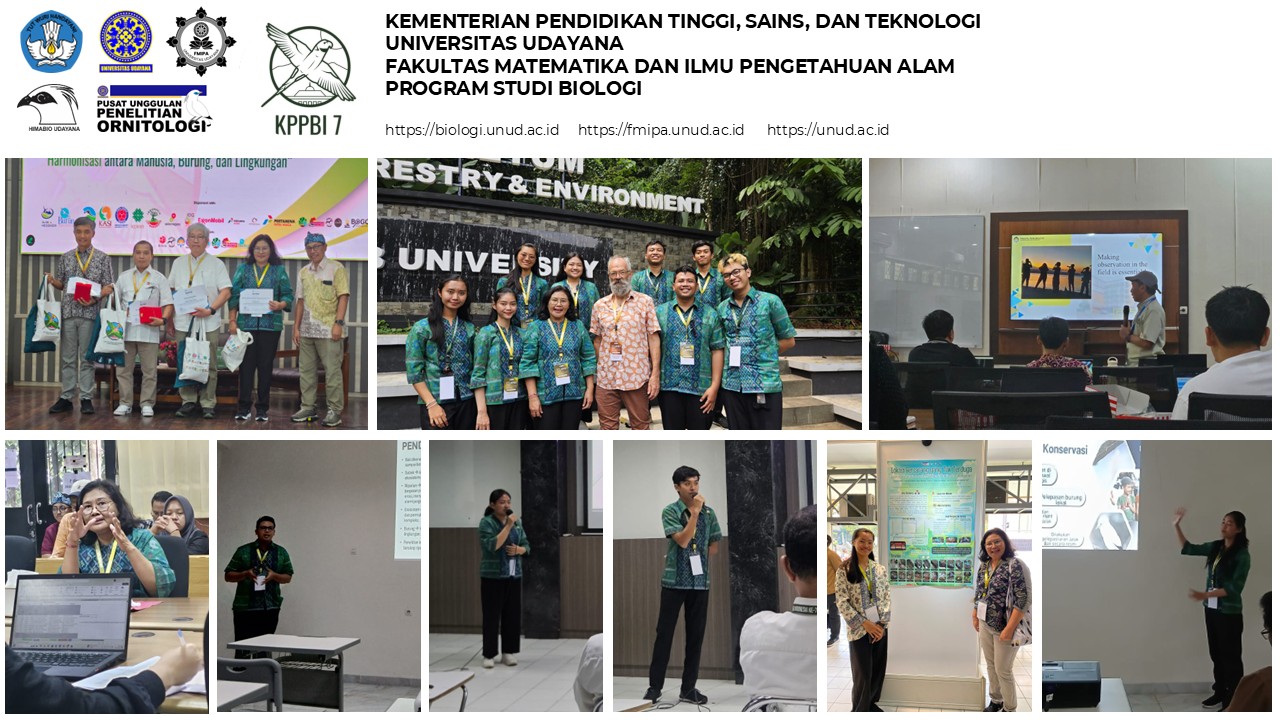
Representatives from the Biology Study Program, Faculty of Mathematics and Natural Sciences, Udayana University, played an active role in this meeting. Prof. Dra. Luh Putu Eswaryanti Kusuma Yuni, M.Sc., Ph.D., served as the committee member, reviewer, and moderator for the first plenary session. In a parallel session, she presented research results entitled "Bird communities in Tengkudak Village, Tabanan, Bali: A preliminary study in preparation for the release of Bali starlings." In addition to her, other faculty members involved included I Made Saka Wijaya, S.Si., M.Sc., who presented research entitled "Bird species composition in riparian landscapes: A case study in Bali." Students and alumni of the Biology Study Program, Faculty of Mathematics and Natural Sciences, Udayana University, who actively conduct bird-related research, also participated as presenters and participants. Alumni such as Michelle Angelina Sharon, S.Si., presented "Ecological niches of the Bali starling and bird communities in the Cekik and Karangsewu mangrove forests, West Bali National Park," and Anak Agung Ngurah Bagus Abimanyu, S.Si., presented "The ecological niche of the Bali starling and bird communities in the Cekik and Karangsewu mangrove forests, West Bali National Park." presented "Diversity of Bird Feeding Guilds on Menjangan Island, West Bali National Park," and Stephanie Regina presented "Unexpected Nesting Sites of the Bali Starling (Leucopsar rothschildi) on Building Roofs." Munti'atul Khoiroh, an active student presenter, presented "Community-Based Conservation: A Case Study of the Bali Starling Village in Tabanan, Bali." Three other students participated in the seminar and workshop: Kadek Desita Partika Sari, I Nyoman Rava Carviano, and I Made Naradhipa Subhiksa.
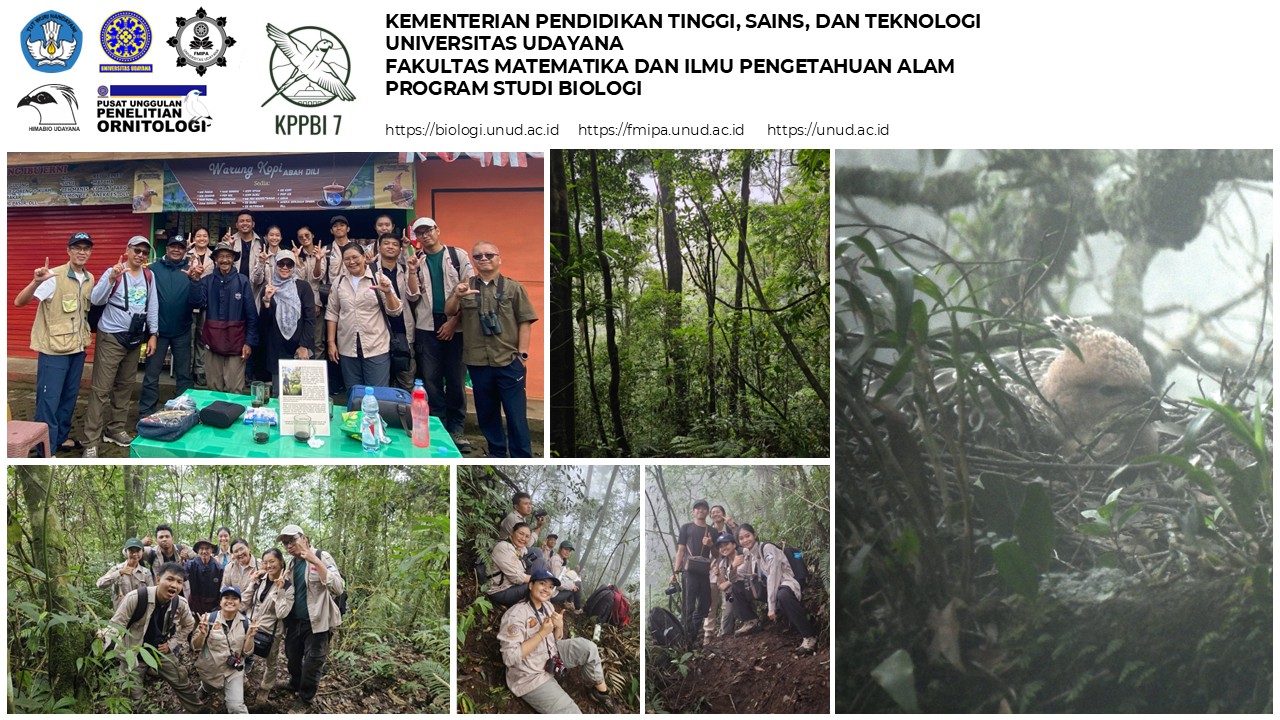
The next day, we had the opportunity to visit the nesting site of the Javan Hawk-eagle. Nesting every two years, with a current population of around 200-300 individuals on the island of Java, its protection is undoubtedly a major risk for both in-situ conservation institutions and the parent eagles themselves. Regeneration, which tends to be slow, involves intensive parental involvement over a relatively long period before the young are finally able to take to the air.
The Bogor Botanical Gardens and the Zoological Museum were our next destinations. We visited Reinwardt's legacy of ex-situ plant species collections, which have been managed by Indonesian researchers for decades. Before heading to the Zoological Museum building, which is known for its whale skeleton, we naturally took a thumbprint photo.
Our final day before heading home the next day, Gunung Salak Temple was our main destination. We were grateful for our health and the opportunity to explore nature. Observing the regeneration of the Javan hawk-eagle, an iconic Indonesian species, we realized that regeneration should be guided gradually, not simply by delegating responsibility.

FACULTY OF MATHEMATIC AND NATURAL SCIENCES