 EN
EN
 INA
INA
Biodiversity Transformation: Udayana University Biology Students Develop Conservation Educational Tourism in Tengkudak Village

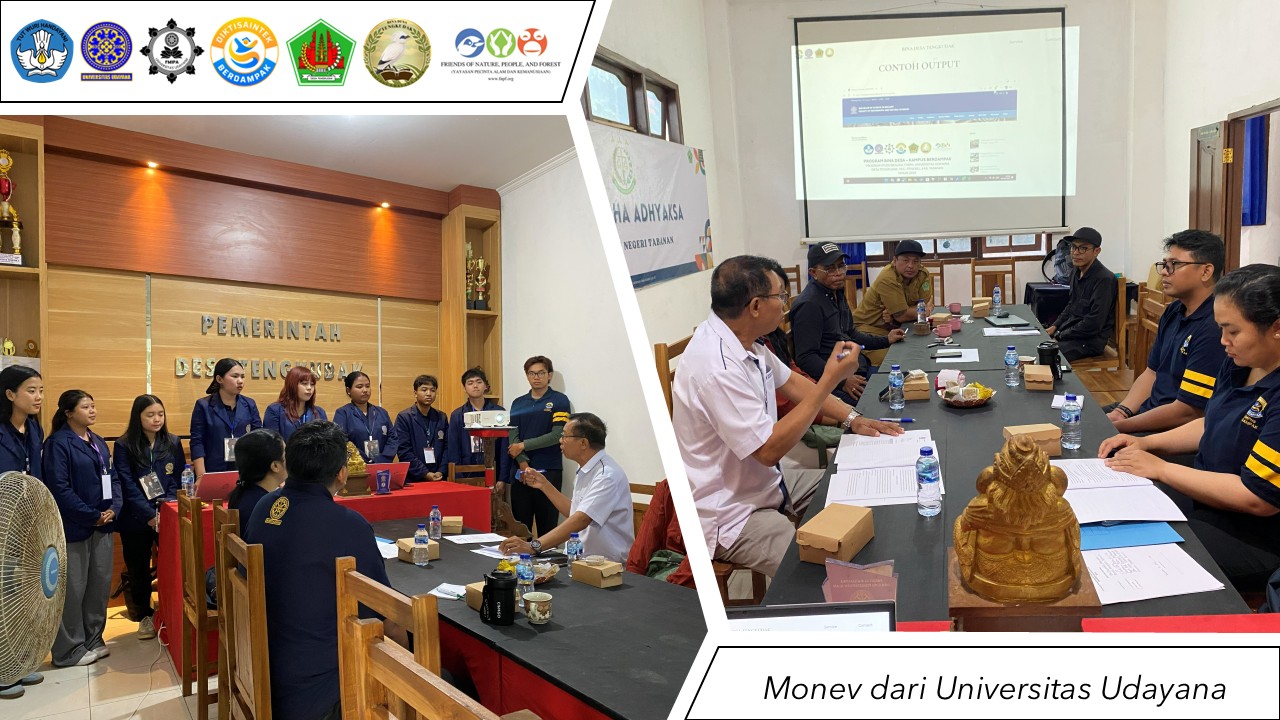
PENEBEL, TABANAN – In a
concrete effort to support environmental conservation and community
empowerment, students from the Biology Study Program, Faculty of Mathematics
and Natural Sciences (FMIPA), Udayana University (Unud), implemented the Kampus
Berdampak - Bina Desa Program. This community service program lasted four
months, from March to July 2026, in Tengkudak Village, Penebel District,
Tabanan Regency, Bali.
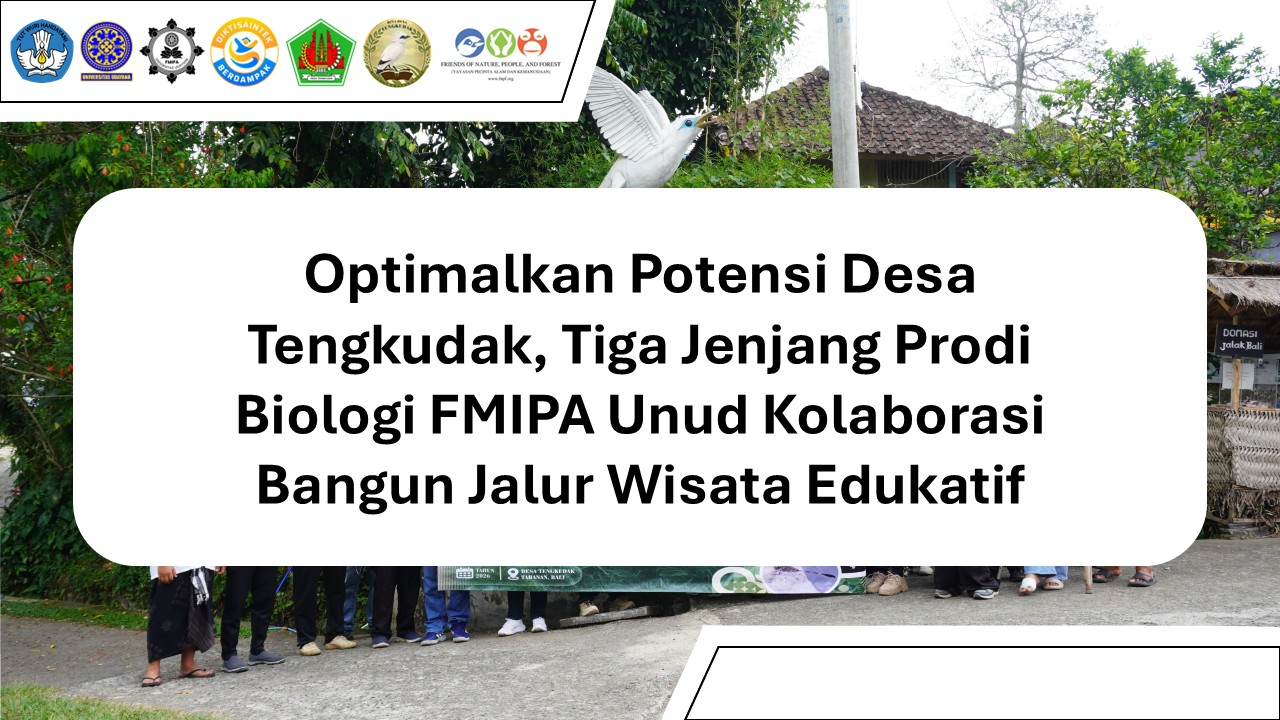
Tengkudak Village, specifically
in Banjar Tingkih Kerep, is a strategic development area for the Udayana
University Biology Study Program, whose program planning was initiated in 2023.
This year's implementation of Bina Desa focused on biodiversity
transformation to enhance community capacity. This Bina Desa activity was
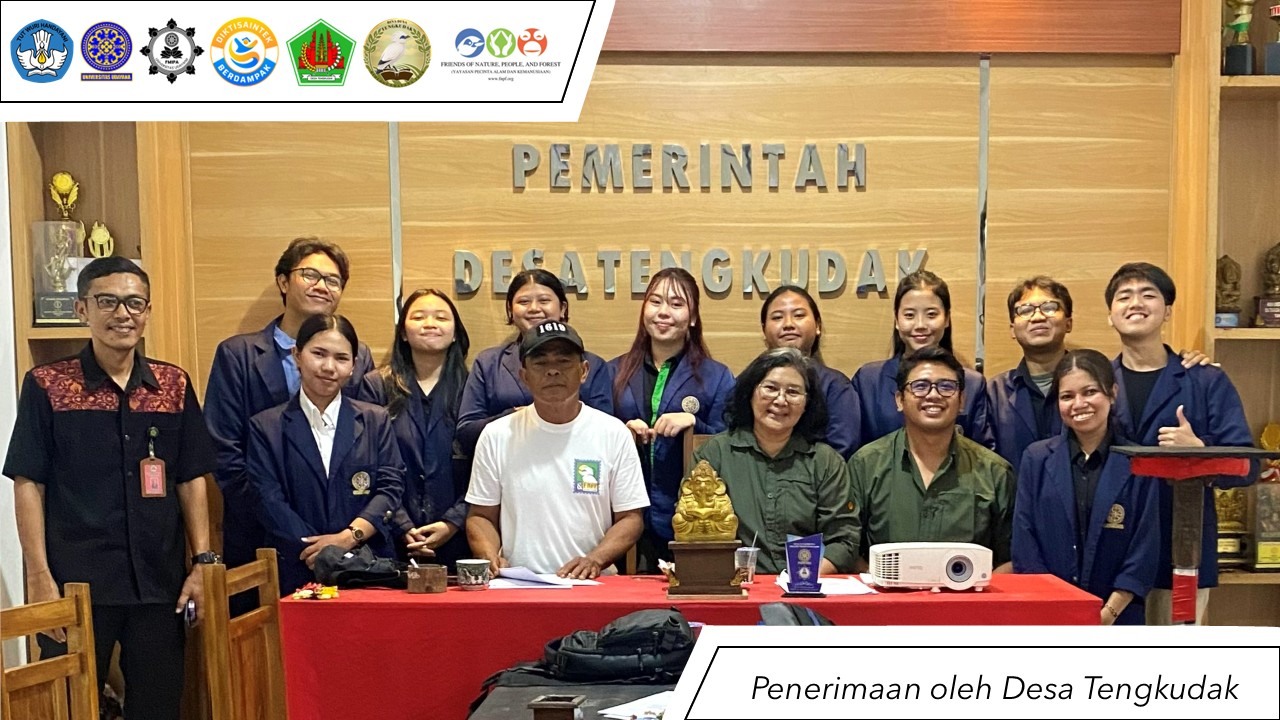
carried out by 10 students from the Biology Study Program, FMIPA Unud, chaired
by I Gusti Ayu Made Purnama Shanti with Field Supervisor Lecturers (DPL) I Made
Saka Wijaya, S.Si., M.Sc.
Three Main Activities
To implement this topic, the
Biology students at Udayana University (Unud) focused their efforts on three
main, systematically designed work programs:
•
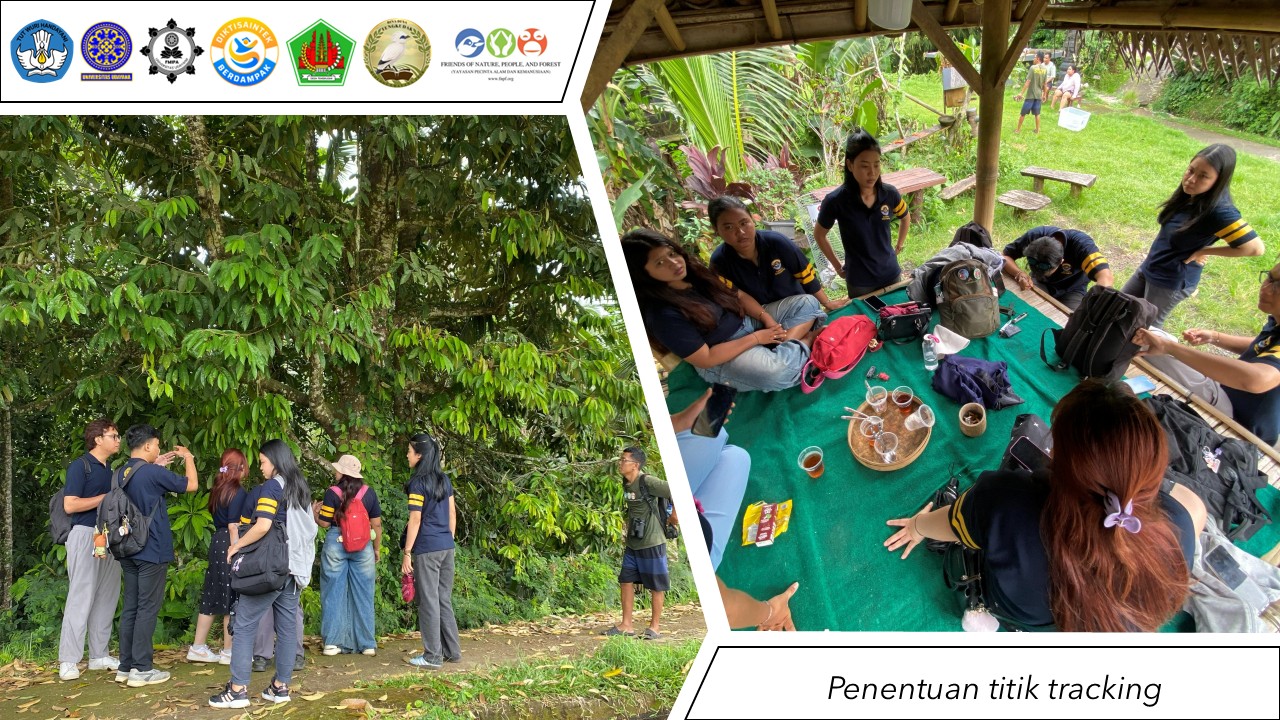
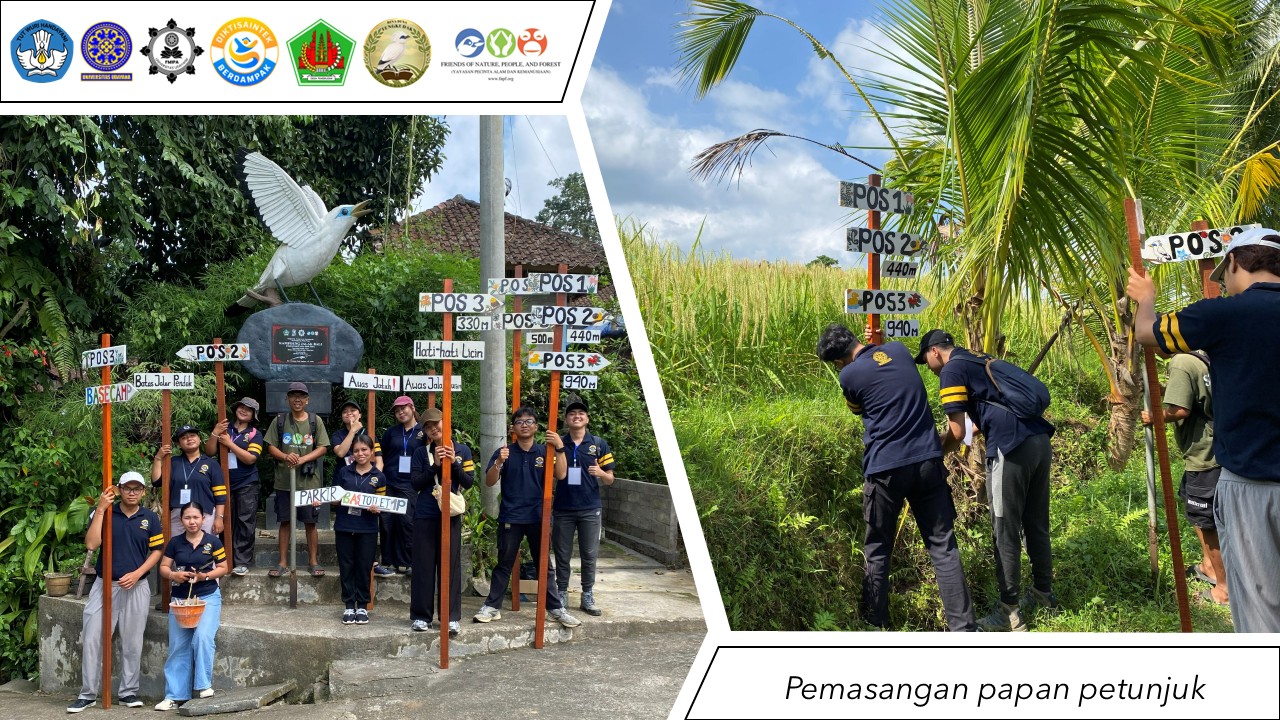
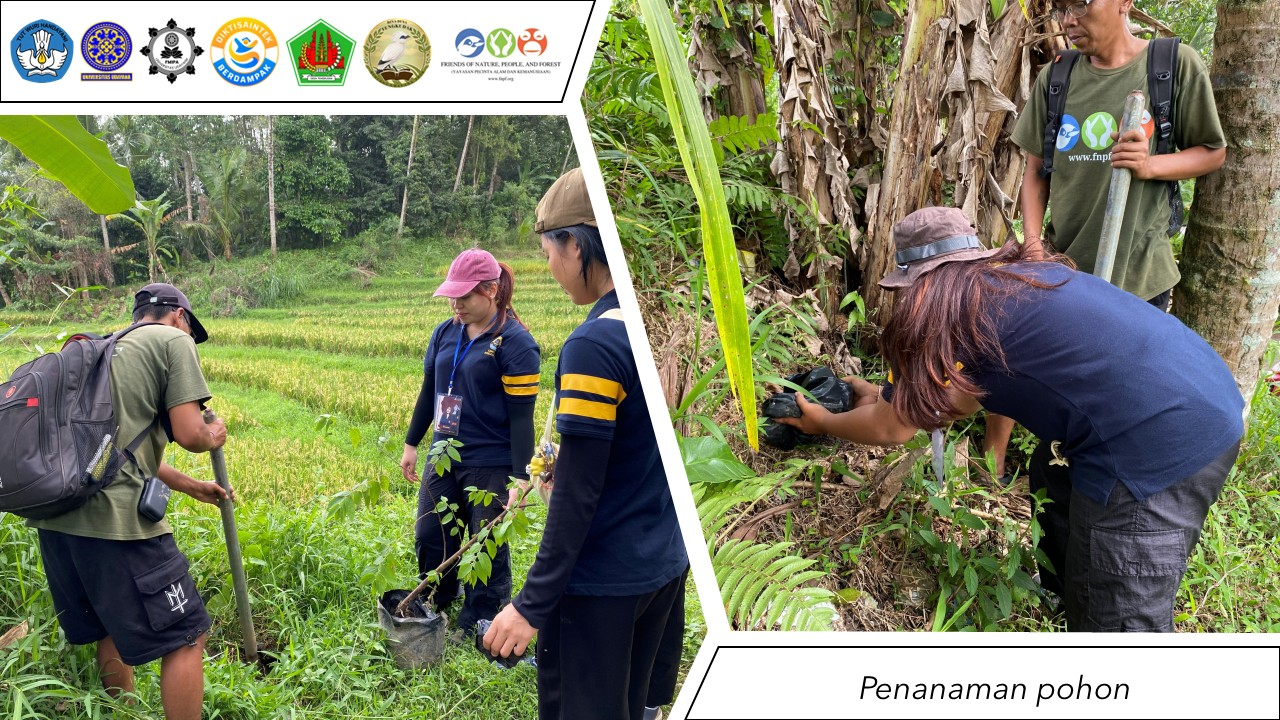
Tracking Trail Development: Students
designed and built a nature tracking trail equipped with directional maps and
structured information boards along the route for the convenience of tourists. The
tackling trail is approximately 2 km long and takes about an hour at a
leisurely pace. The trail can be longer if you enjoy the biodiversity. There
are several prime spots, such as the black-winged kite (Elanus caeruleus),
the Javan Kingfisher (Halcyon cyanoventris), and, of course, the Bali Myna
(Leucopsar rothschildi).
•
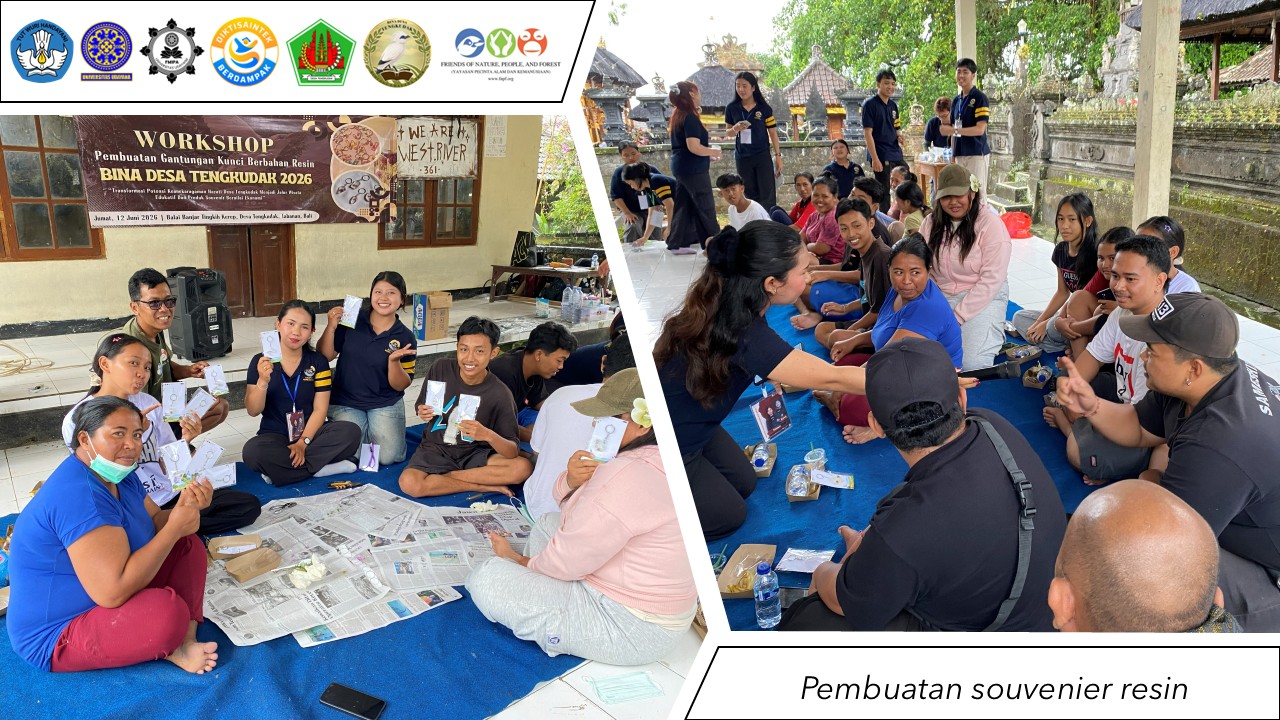
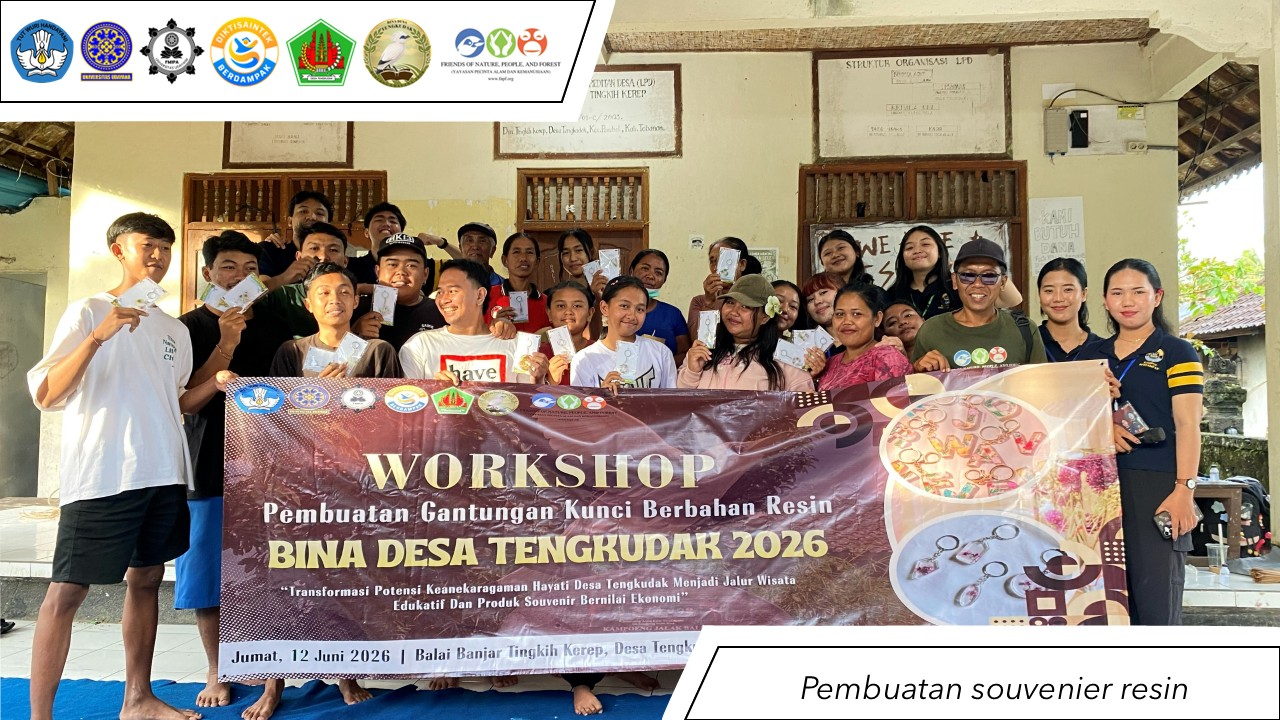
Local Souvenir Creation: Assisted in the
creation of unique handicrafts as innovative souvenirs that can boost the local
creative economy. Souvenirs made from preserved resin using plants found around
the village. The community is also trained to make and market these products.
•
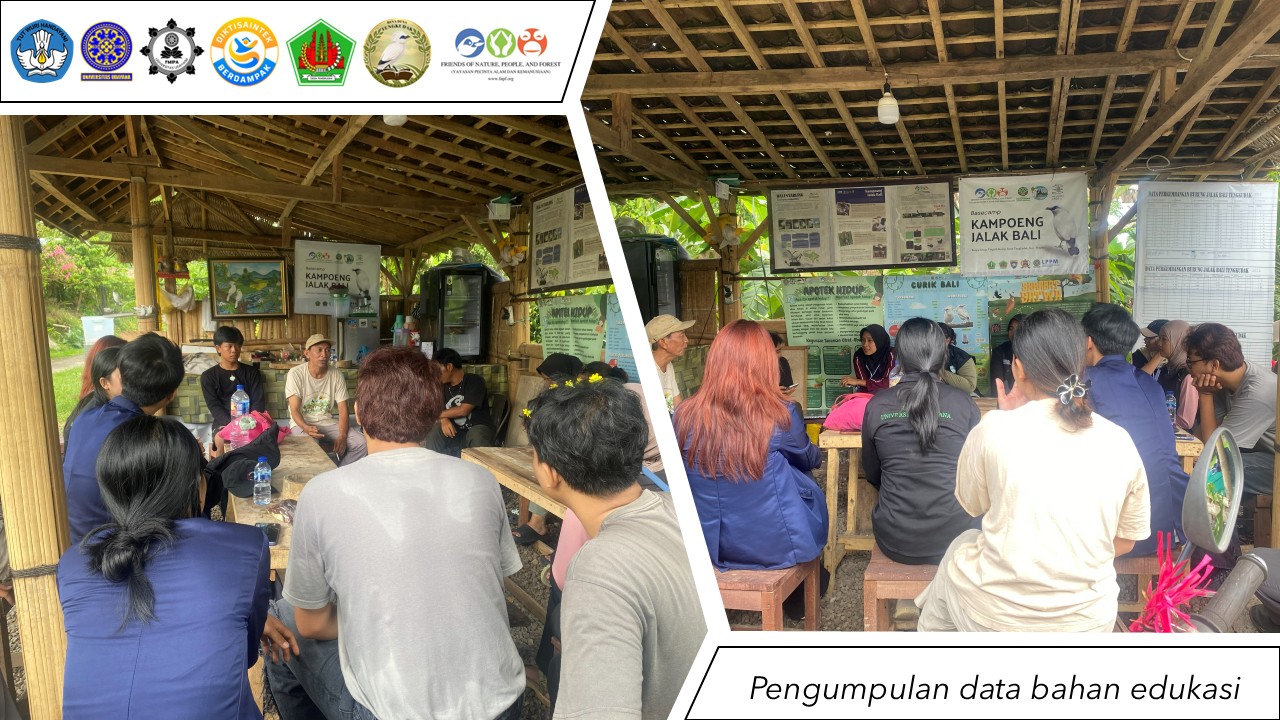
Digital-Based Educational Tools:
Developed a biodiversity information board equipped with a special hyperlink.
This information is directly linked to the official website of the Udayana
University Biology Study Program, allowing visitors to access more
comprehensive and interactive scientific data.
Complementing the
Conservation-Based Educational Tourism Component
The presence of these new
facilities is expected to complement and strengthen the existing
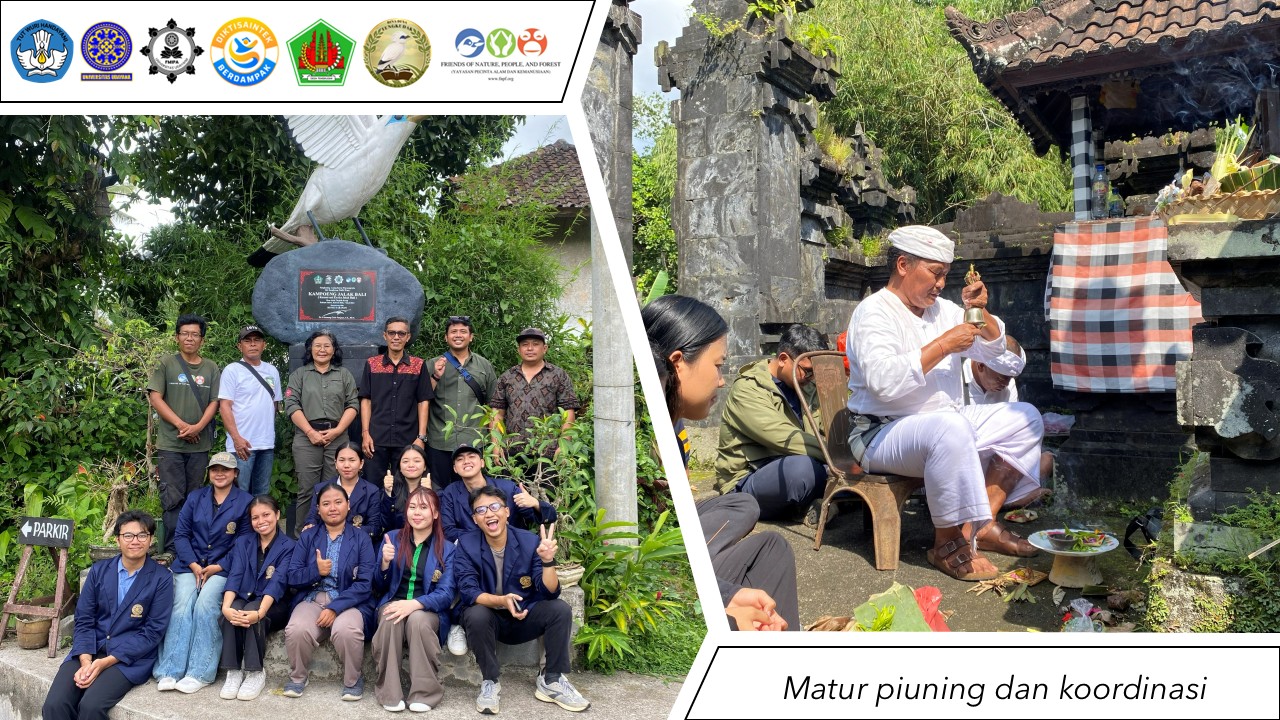
conservation-based educational tourism ecosystem in the village, namely the Kampoeng
Jalak Bali (Bali Myna Village). As is known, this conservation destination
has attracted widespread attention and has been visited by tourists and
researchers since 2024. With the addition of additional facilities provided by
students, the educational tour package at Tingkih Kerep is now more integrated
and informative.
Multi-Party Synergy and
Support
The success of this four-month
program is inseparable from the support of various parties who played crucial
roles. High appreciation is extended to the Head of Tengkudak Village and all
village officials, as well as the Head of Tingkih Kerep Hamjar, who mobilized
all elements of the local community to welcome this program.
This collaboration was also
strengthened by the technical role of the FNPF (Friends of Nature, People, and
Forest) team, the non-governmental organization that first initiated the Bali
Curik release program in the area. From an academic perspective, Udayana
University provided full support through the Village Development Program, which
was directly overseen through intensive mentoring by the Biology Study Program
Coordinator and the Field Supervisor Lecturers (DPL) who were actively involved
in the field.
Through the Impact Campus Program, the biodiversity of Tengkudak Village is not only ecologically preserved but also successfully transformed into an educational and economic asset that increases the independence and capacity of the local community.
FACULTY OF MATHEMATIC AND NATURAL SCIENCES